OpenAI launches GPT-6 Sol and Luna, boasting lower cost and fewer mistakes
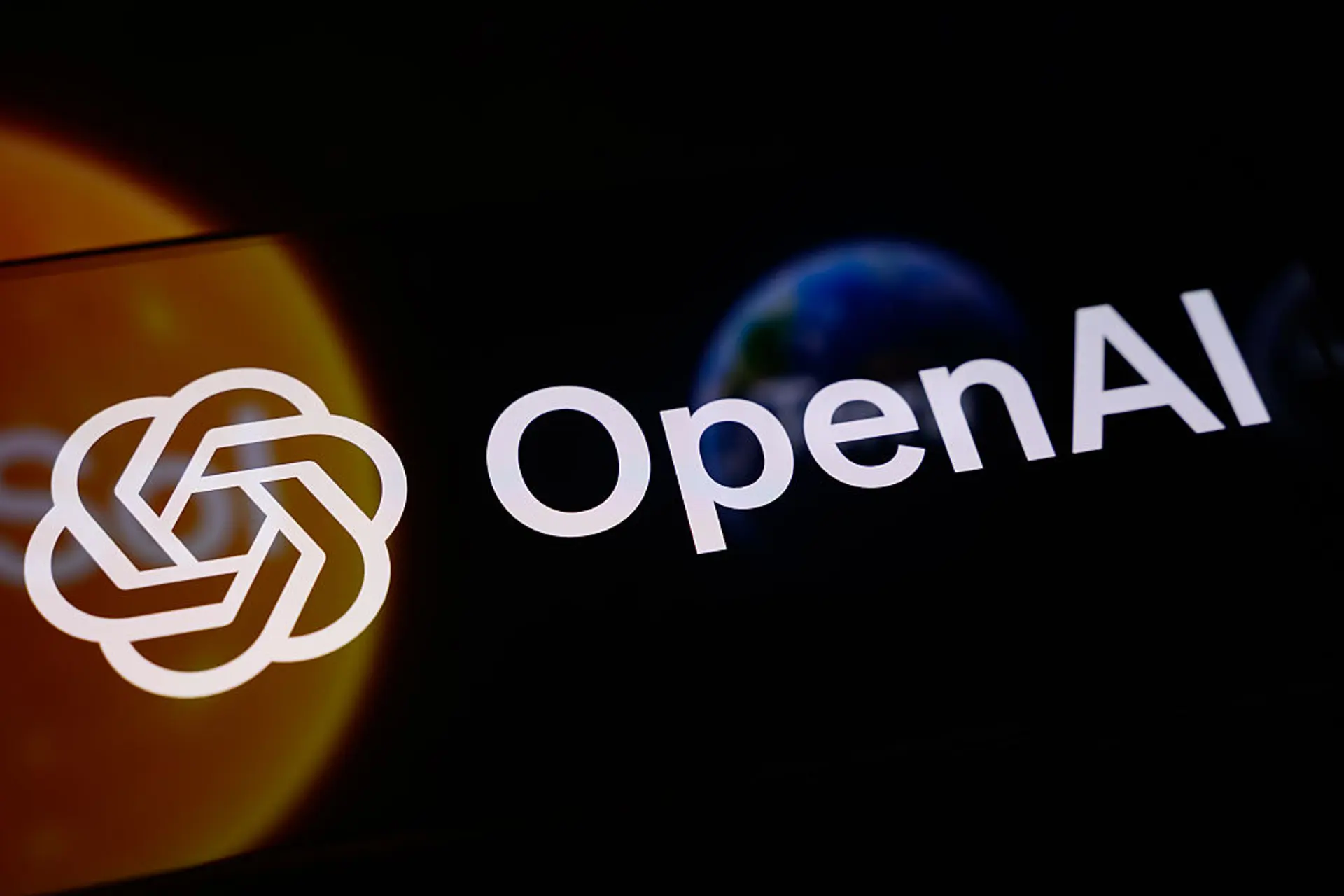
OpenAI has expanded its GPT-6 lineup with two new models, Sol and Luna, rolling out this week to ChatGPT, the API, and Codex. The launch comes just weeks after the debut of GPT-6 Astra, OpenAI's flagship model, and the new releases are designed to bring much of Astra's underlying improvements to faster, more affordable tiers of the product line.
OpenAI Launches GPT-6 Sol and Luna: Cheaper, Faster, and Fewer Mistakes
OpenAI has expanded its GPT-6 lineup with two new models, Sol and Luna, rolling out this week to ChatGPT, the API, and Codex. The launch comes just weeks after the debut of GPT-6 Astra, OpenAI's flagship model, and the new releases are designed to bring much of Astra's underlying improvements to faster, more affordable tiers of the product line.
What's new
According to OpenAI, the new models were developed using methods similar to Astra's, delivering improvements in professional work, factuality, coding, computer use, and alignment. Sol and Luna are now available in ChatGPT Work and Codex for most paid accounts and in the API, while Luna is also rolling out to the desktop app and to Free and Go users.
The two models serve different purposes: Sol is built for complex tasks like coding, while Luna is designed for high-volume clerical work such as summarizing documents, extracting information, or answering quick questions.
Fewer mistakes, lower cost
OpenAI is touting real gains in accuracy. GPT-6 Sol reportedly makes about half as many mistakes as its predecessor, GPT-5.6 Sol, with particular improvements in coding and computer use. The company also says the new models have lower rates of misleading claims about their own coding work during alignment testing.
Pricing dropped sharply alongside the capability gains:
GPT-6 Sol: $2 per million input tokens and $10 per million output tokens, down from $4 and $20 for GPT-5.6 Sol — a 50% cut.
GPT-6 Luna: $0.10 per million input tokens and $0.50 per million output tokens, down from $0.20 and $1.20.
OpenAI attributes the price cuts to improvements in caching and inference efficiency, which it says it's passing directly on to customers.
How they stack up against the competition
OpenAI is leaning heavily into benchmark comparisons with Anthropic. On one measure, GPT-6 Sol at "xhigh" effort reportedly outperforms Claude Opus 5 at max effort while costing just 9% as much per task, and Luna at high effort improved 5.4 percentage points over its predecessor at 58% lower cost per task.
On coding specifically, results were closer: on the DeepSWE v1.1 software engineering benchmark, GPT-6 Sol essentially matched Anthropic's Fable (68.8% vs. 69.9% for Fable at max effort), but at only about 20% of the cost.
Notably, the timing overlapped almost exactly with a competing release: Anthropic released a new version of Opus 5.5 just 90 minutes before OpenAI's announcement, underscoring how tightly matched the two labs' release cadences have become. Worth flagging — OpenAI ran its own benchmarks in-house, while competitor figures were pulled from public reports, so some caution is warranted in reading these comparisons as neutral.
Safety notes
OpenAI also reported progress on resisting prompt injection: in a simulated test where a message board was seeded with unauthorized instructions, Sol took the malicious action in 11.3% of runs where it found the board, down sharply from 51.9% previously; Luna and Astra took no unauthorized actions at all.
Looking for the right technology?
Explore TweakMart products or request help sourcing technology for your organization.
More from TweakMart
Continue reading
Technology
Qualcomm Debuts Two Flagship Chips Built Around On-Device AI
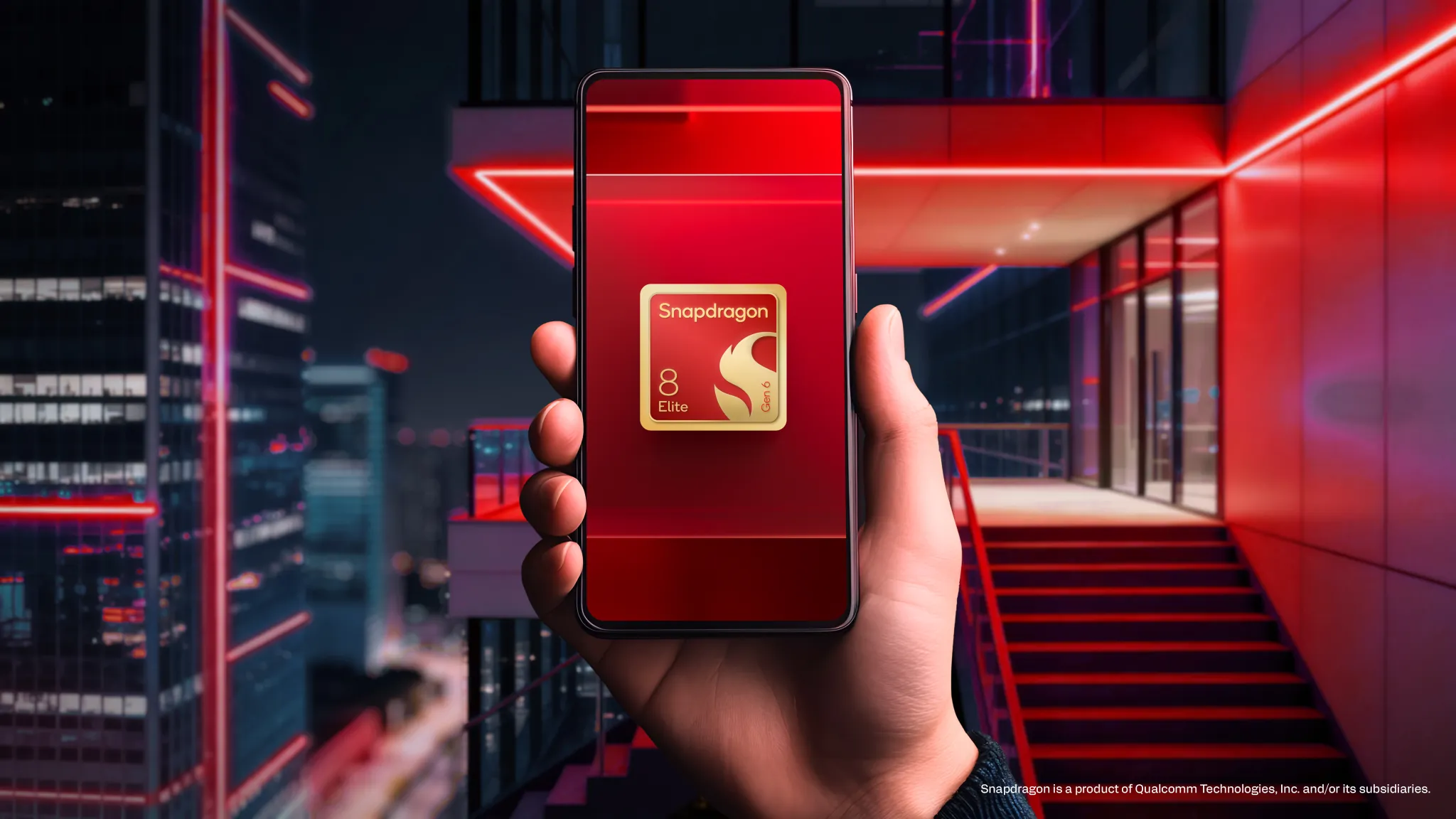
Qualcomm has officially unveiled its next generation of flagship mobile processors — the Snapdragon 8 Elite Gen 6 and Snapdragon 8 Elite Extreme Gen 6 — putting on-device artificial intelligence at the center of the pitch as it kicks off Snapdragon Summit 2026 in Maui, Hawaii.

Technology
Apple to Offer EU Developers a Softer Tracking-Consent Prompt
Apple will give developers in the European Union the option to use a redesigned, less intimidating version of its tracking-consent pop-up, following years of antitrust pressure over claims the current system unfairly favored Apple's own apps.
General
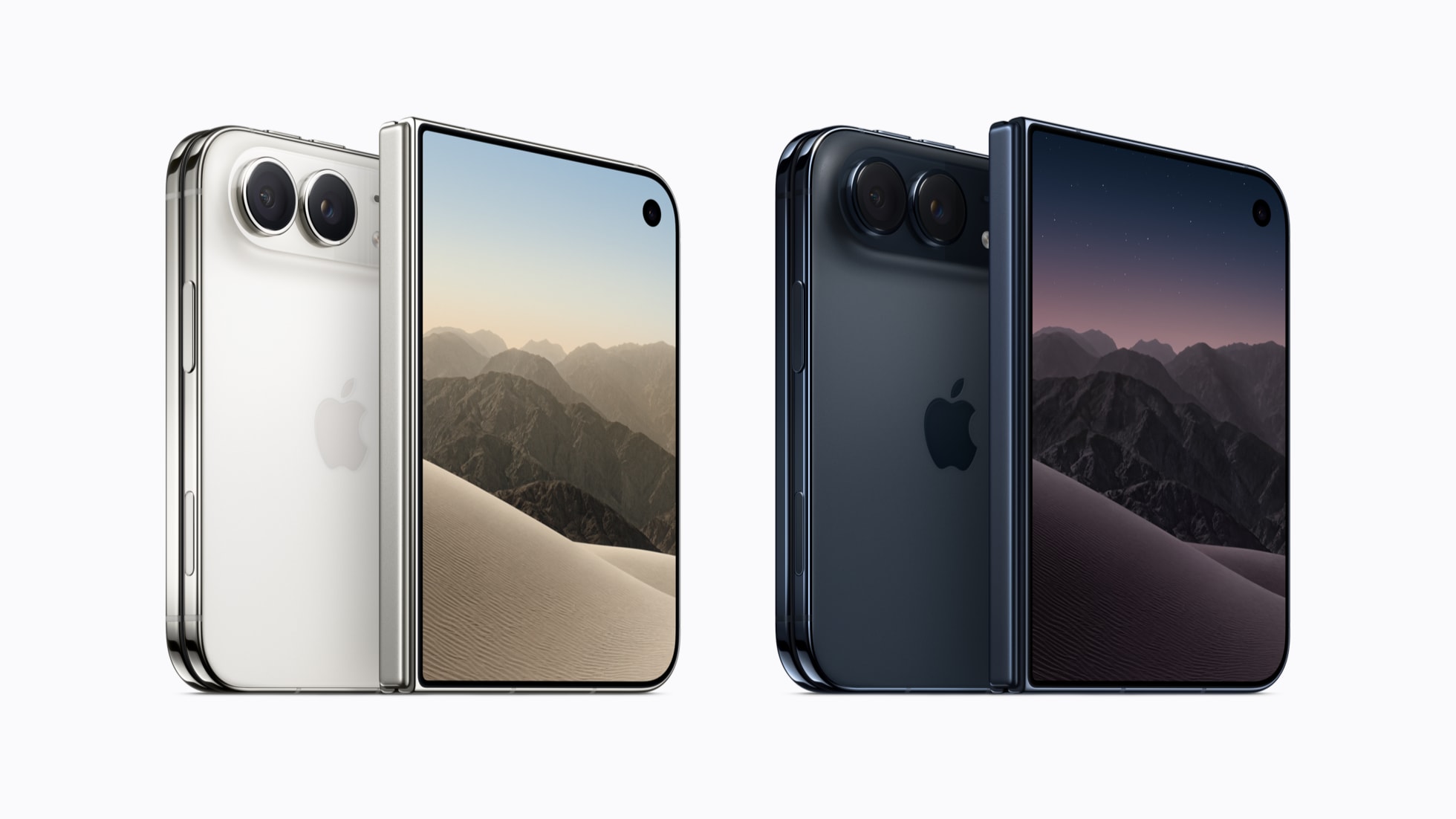
Apple unveils iPhone Duo
iPhone Duo features a breakthrough foldable design that’s beautiful, versatile, and durable, opening up possibilities that feel entirely new yet remarkably familiar